In today’s fast-evolving access control landscape, forward-thinking organisations are embracing mobile credentials to improve security and user convenience. At the heart of this shift sits Apple Wallet, now redefining how people access buildings, from corporate HQs to university dorms and smart hotels.
At the 2025 Security Event, CIE caught up with Joe Page of Wavelynx, a recognised expert in digital credentialing and access via Apple Wallet, to discuss the growing adoption of wallet-based access and why businesses are increasingly moving away from physical cards. Joe has been instrumental in driving mobile-first access solutions across multiple sectors, including education, commercial real estate, and residential developments.

The Ultimate Guide to Using Apple Wallet for Access Control
As Joe explains:
“The user case is just so much better… it’s such a simpler way of issuing the credential and a way simpler way of actually using the transaction.”
In this feature, we’ll explore how Apple Wallet works for access control, why it offers a superior experience to traditional methods, and how to implement it securely within your organisation.
What is Apple Wallet?
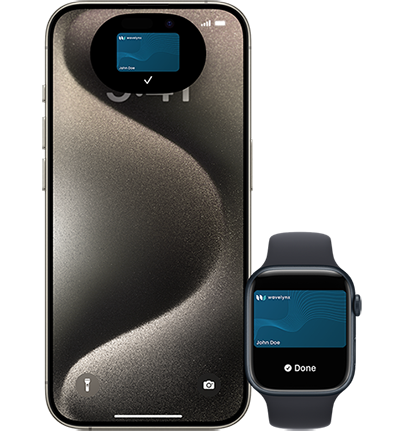
Apple Wallet is a built-in iOS app designed to store digital versions of everyday digital identities like credit cards, transport passes, and tickets. But in 2025, it’s also your key to the front door thanks to NFC-based access credentials.
How Access Control Works with Apple Wallet
Key highlights:
- Credentials are stored securely on the device and can be used without waking or unlocking the phone (on supported readers).
- Devices can support multiple access credentials for different locations.
- Integration with leading platforms (e.g., SALTO, Gallagher, Wavelynx) makes deployment scalable.
“Wallet is a big part of what we do… and it’s going to start taking a real big market share.”