 HDMI (High Definition Multimedia Interface), the combined HD video and audio signal standard is now the most commonly used cable interface for residential, home theater and commercial AV systems. Most commonly, a HDMI cable is used to simply connect a HD or 4K UHD Source (such as a BluRay player or your Sky TV Box) directly to an adjacent TV and so a normal 3 metre HDMI lead distance would easily cover that short distance from one device to the other on the TV stand.
How far can an HDMI signal transmit?
But as we see more and more wall-mounting of TVs and screens, digital signage and video walls becoming increasingly commonplace, the distance between source and display can quickly increase to significantly greater lengths. For instance, when running a cable from source to TV through the wall or ceiling, the length of the cable run can very quickly exceed long distances of 15-20 metres and, therefore, stretch beyond the recommended capabilities of hdmi tranmission.
What distance does HDMI cable support?
HDMI Category 1 – also referred to as Standard HDMI cables will easily reach up to 5 metres without any problems and in ideal conditions will transmit over distances of up to 20 metres.
But remember! – before running any longer cable distances through walls or ceilings, etc – test your system first! Use the exact Source-Cable-Display (plus any additional devices such as video switches, splitters etc) to confirm the system works befor installing.
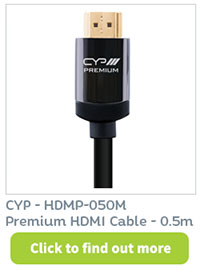
For a signal that needs to travel further than 5 – 10 metres, a higher grade Category 2 (or High Speed) cable is recommended and will successfully achieve a signal distance of up to 15-20 metres.
It is also designed to support transmission of 4k UHD, 3D and Deep Colour video signals.